The iconic Villas of Cap d’Antibes


A walk among the French Riviera’s most prestigious residences
Once known as the “Bay of Millionaires”, the bay surrounding Cap d’Antibes could today, given the spectacular rise in property prices, just as well be called the “Bay of Billionaires”.
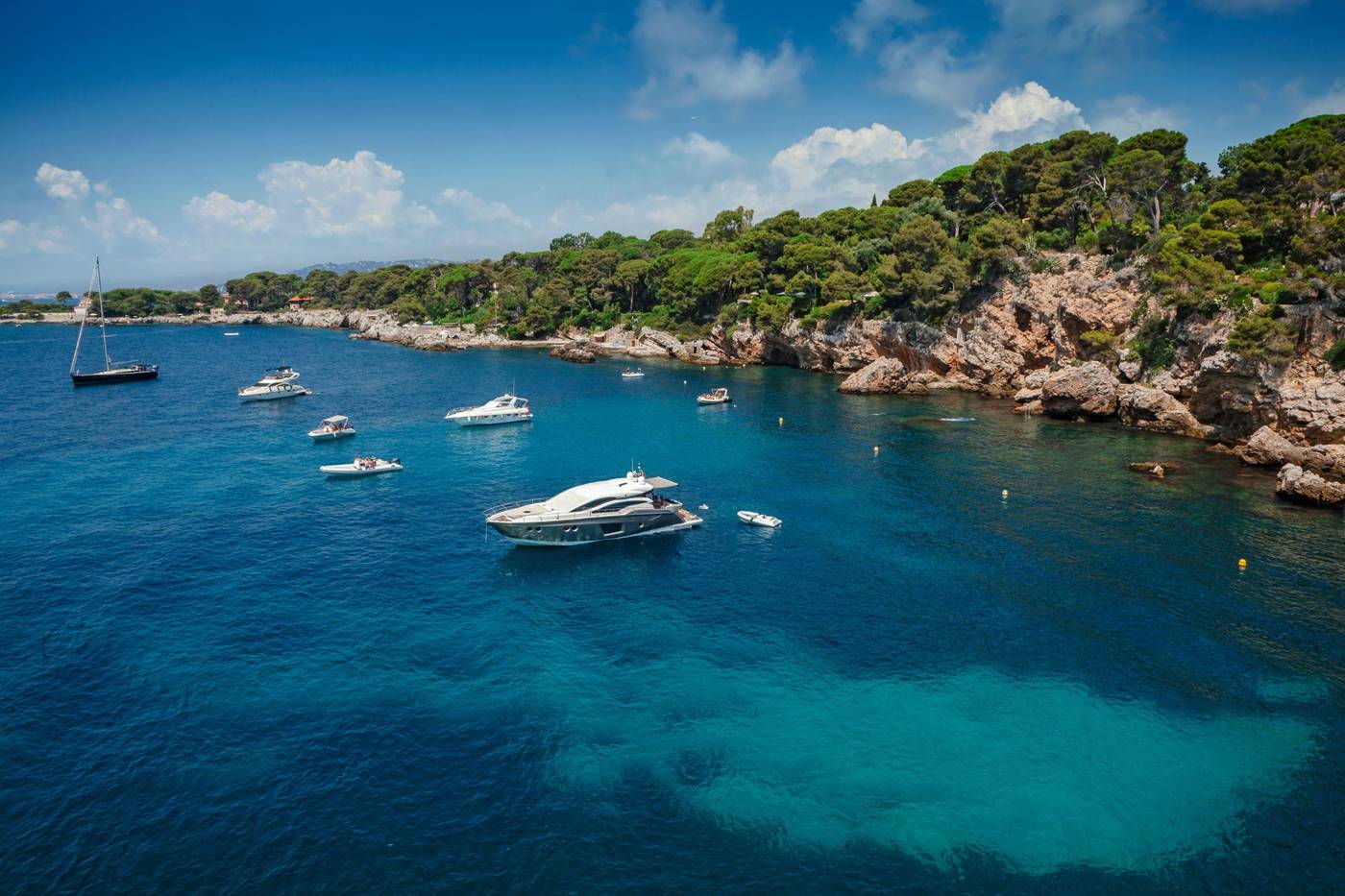
This iconic headland of the French Riviera is home to some of the Mediterranean’s most exclusive villas, nestled between pine forests, landscaped gardens and direct access to the sea.
Long favoured by British high society, Cap d’Antibes has seen its properties change hands over the decades and now attracts an international clientele drawn by its extreme rarity, timeless elegance and exceptional lifestyle.
A scenic coastal walk
One of the best ways to discover these exceptional estates is to follow the coastal path encircling the Cap, known as the Tirepoil Coastal Path. This walk, lasting around two hours, runs alongside a dramatic shoreline and offers discreet glimpses of some of the area’s most prestigious villas.
Starting from La Garoupe Beach is particularly convenient, especially outside the summer season, when parking is easier. The path itself is a destination, combining turquoise waters, rocky cliffs and Mediterranean vegetation.
Château de la Garoupe – cradle of Riviera social life
The first major residence encountered is Château de la Garoupe, built in 1907 for an English industrialist. Today, it is largely hidden behind high walls and lush vegetation, making it almost invisible from the path.
In the 1920s, the villa was rented by composer Cole Porter and his wife Linda, who welcomed their friends Sara and Gerald Murphy. These wealthy Americans played a key role in reviving social life on the French Riviera after World War I.
Over the years, the property was expanded, notably by architect Barry Dierks, a leading figure in Riviera luxury architecture.
In 2024, according to press reports, the estate was acquired by WhatsApp co-founder Jan Koum for an estimated €65 million.
Château de la Croë – a royal residence
Visible from the coastal path, Château de la Croë is one of Cap d’Antibes’ most iconic villas. Built in 1927 for British aristocrat Sir Pomeroy Burton, its monumental style bears a resemblance to the White House in Washington.
The château is best known for having been leased for many years by the Duke and Duchess of Windsor following King Edward VIII’s abdication in 1936, becoming a centre of Riviera high society.
Later owned by prominent international figures, the château suffered a devastating fire in 1970 and remained abandoned for several years.
In 2004, it was acquired by Roman Abramovich, who undertook an extensive restoration, returning the property to its former splendour.
Villa Eilenroc – French elegance and heritage
Located near the rocky coastline of the Cap, Villa Eilenroc owes its name to a playful reversal of “Cornélie”, the first owner’s wife. Construction began in 1860 under the direction of Charles Garnier, architect of the Paris Opera and the Monte-Carlo Casino.
Palatial in style, the villa has retained its historic interiors. Its remarkable gardens include a rose garden, mature Mediterranean trees and a small private beach offering spectacular sunset views.
Acquired in 1927 by American businessman Louis-Dudley Beaumont, the villa was bequeathed to the City of Antibes in 1982 and is now open to the public on selected days.
Villa Hier – a cinematic backdrop
Close to Villa Eilenroc stands Villa Hier, elegant yet discreet behind its gates. In the 1950s, it was redesigned by Barry Dierks for its British owner.
Still a private residence, the villa gained international recognition as a filming location for Dirty Rotten Scoundrels, starring Steve Martin and Michael Caine.
In 2008, it was acquired by businessman Suleyman Kerimov for an estimated €34 million.
An exceptional property market
Beyond the sometimes eventful histories of its villas, Cap d’Antibes remains one of the French Riviera’s most exclusive and sought-after property markets.
Its unique blend of architectural heritage, preserved natural surroundings and direct access to the sea continues to attract discerning international buyers.
A simple walk along the Tirepoil Coastal Path is enough to understand why Cap d’Antibes has fascinated the world’s elite for over a century and remains a timeless symbol of Mediterranean luxury.
.jpg)